

Getting braces is an exciting step toward a confident, healthy smile. One question almost everyone asks is: “How much will it cost?” While it’s tempting to look for a single number, the truth is that the cost of braces varies widely. Rather than focusing solely on a price tag, it’s more useful to understand the factors that influence cost, the types of braces available, and strategies for managing expenses.
Orthodontic treatment is an investment not just in appearance, but in oral health and long-term well-being. Systems like Brava braces combine precision technology, efficiency, and comfort, offering an advanced solution that may save time and lifestyle disruptions while achieving excellent results.
Factors That Affect the Cost of Braces
Several variables influence the overall cost of orthodontic treatment:
- Type of braces: Traditional metal braces, ceramic braces, lingual braces, clear aligners, and advanced systems like Brava braces each have unique benefits and associated costs.
- Complexity of your case: Mild misalignment typically requires less treatment time, whereas more severe cases may need longer treatment and more adjustments.
- Length of treatment: Extended treatment generally increases the total investment due to additional appointments and follow-ups.
- Geographic location & orthodontist experience: Orthodontists in high-demand areas or with extensive expertise may charge higher fees.
- Additional services: Scans, retainers, adjustments, and post-treatment care can affect overall costs.
Understanding these factors helps patients see the value behind their investment. Advanced systems like Brava braces are designed for efficiency, precision, and minimal appointments, making them a premium choice for those seeking convenience and high-quality care.
Comparing Cost vs. Value
While traditional braces may involve frequent adjustments and visits, Brava braces offer a more streamlined experience. By reducing the number of appointments and treatment time, they save both time and effort, which can be especially valuable for adults with busy schedules.
“While traditional braces may require more appointments and adjustments, Brava braces provide faster, efficient results, helping patients achieve a beautiful smile with fewer disruptions to daily life.”
Framing treatment in terms of value over cost emphasizes the long-term benefits—comfort, efficiency, and convenience—rather than focusing solely on upfront price.
The best way to determine the exact cost is to consult a qualified orthodontist, who can provide a personalized estimate based on your individual needs.
Hidden Braces Vs. Clear Aligners: How to Choose the Best System for You
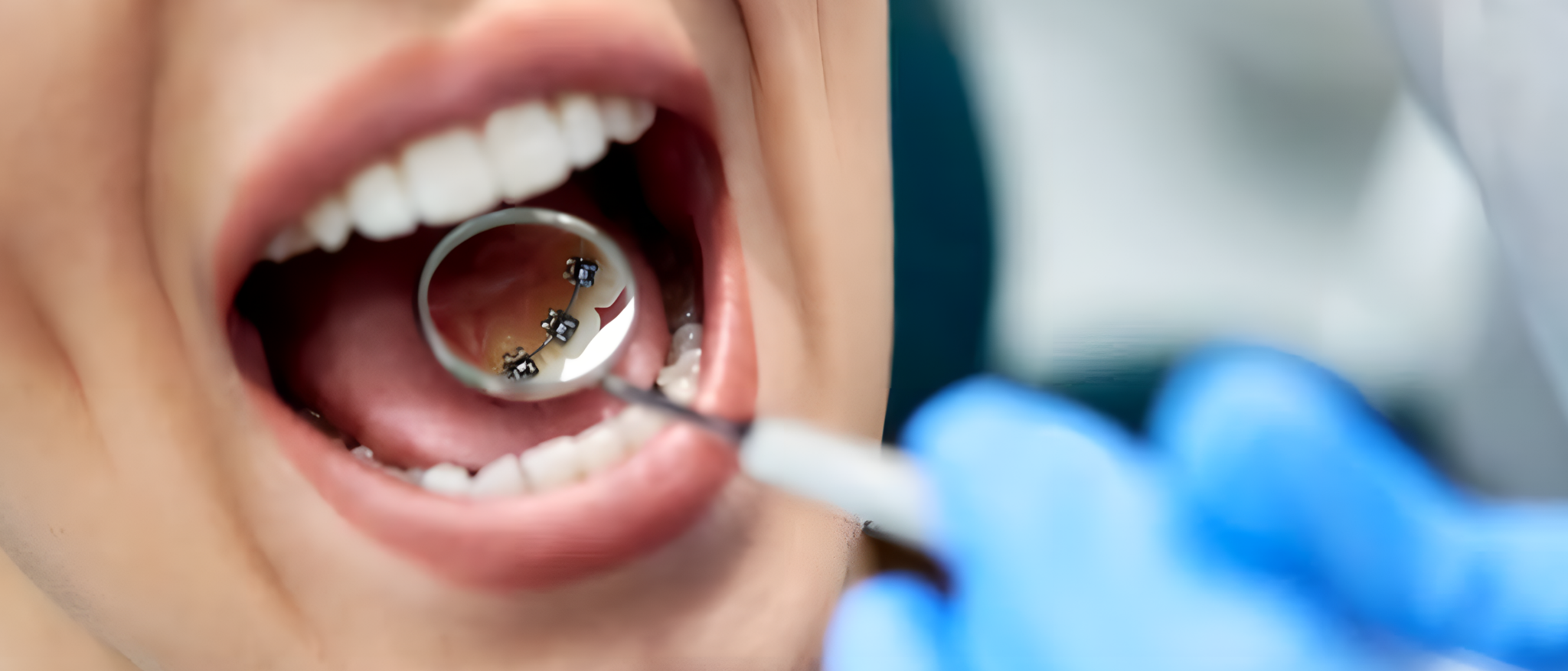
Impeccably aligned teeth can improve your bite, make it easier to clean your teeth, and increase confidence in your smile. Many — especially adults — seek a way to straighten their teeth without a mouth full of metal. Both lingual braces and clear aligners offer more discreet methods of alignment, but how do you know which system is right for you?
| Feature | Lingual Braces | Clear Aligners |
|---|---|---|
| What It Is | Brackets and wires are placed on the inside of teeth for nearly invisible correction. | Removable clear plastic trays that gently move teeth over time. |
| Advantages |
– Hard to spot, discreet
– Minimal daily effort beyond appointments – Highly effective |
– Removable for eating, photos, brushing
– Nearly invisible during use |
| Disadvantages |
– Can irritate the tongue; may cause a slight lisp
– Limited availability |
– Must be worn 20–22 hours/day
– Risk of losing trays – Slightly visible if not worn – May cause a slight lisp |
Insight: Lingual braces offer control for complex cases, while clear aligners give flexibility and convenience for everyday life. The choice depends on lifestyle, comfort, and alignment needs.
Financing and Insurance Options
Even if treatment seems like a significant investment, there are several practical ways to manage costs:
- Payment Plans: Many orthodontists offer flexible, low-interest plans that spread payments over months or years.
- Dental Insurance: Some plans cover part of the cost, particularly for children. Adult coverage is less common, but some policies offer partial reimbursement.
- FSA/HSA Accounts: Pre-tax dollars can be used for eligible orthodontic treatment, effectively reducing overall costs.
- Grants & Charitable Programs: Several organizations provide grants to help those who can’t afford orthodontic treatment.
Discussing financing options with your orthodontist ensures that your treatment plan aligns with your budget without compromising quality or convenience.
The Importance of Retention: Bonded Retainers
Achieving a straight smile is only part of the journey. Without proper retention, teeth can gradually shift back, undoing months or years of treatment. This phenomenon, called orthodontic relapse, can result in additional treatment and costs.
Many orthodontists prescribe a bonded retainer, a thin wire attached to the backs of the teeth. Bonded Retainers offer a permanent solution that ensures long-term stability. Benefits include:
- No nightly reminders or removable retainers
- Comfortable and discreet placement
- Hassle-free maintenance with proper oral hygiene
Investing in a bonded retainer after treatment protects your smile, making it a cost-effective strategy for long-term results. When paired with Brava braces, patients enjoy both efficient treatment and lasting results, reducing the need for future adjustments or re-treatment.
Take the Next Step with Brava braces
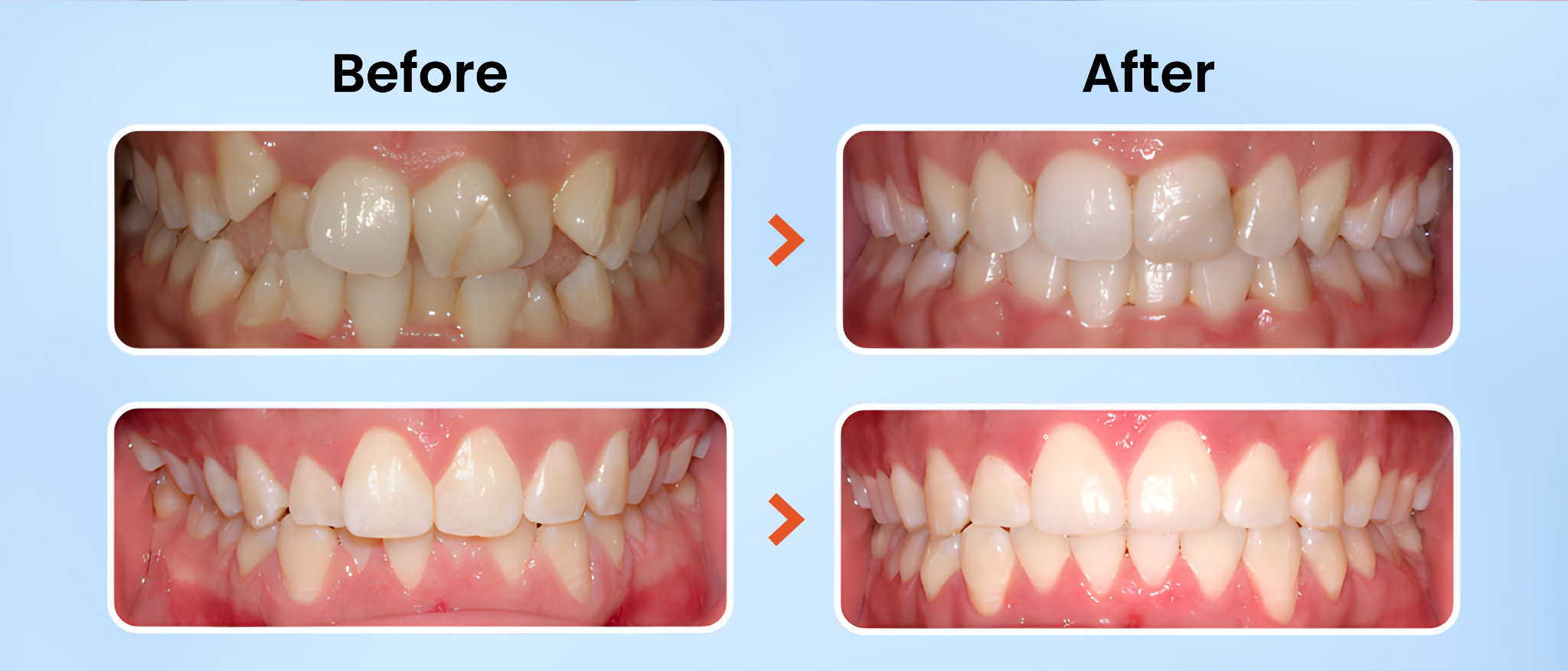
Braces are more than an expense—they’re an investment in your health, confidence, and quality of life. Systems like Brava braces provide advanced, efficient, and discreet orthodontic care, helping you achieve your ideal smile with fewer appointments and greater comfort.
A personalized consultation is the best way to understand your treatment plan, financing options, and expected outcomes. With professional guidance, you can make an informed decision that ensures a smooth, predictable, and effective orthodontic journey.
Key Takeaways:
- The cost of braces depends on the type, complexity, treatment duration, location, and any additional services.
- Advanced systems like Brava braces may require a higher initial investment but offer efficiency, comfort, and convenience.
- Financing options, insurance, and retention strategies help manage costs and ensure lasting results.
- A consultation with a qualified orthodontist is the most reliable way to determine your personalized plan and cost estimate.
By focusing on value, efficiency, and long-term outcomes, Brava braces positions itself as a premium orthodontic solution for adults and teens alike, ensuring a beautiful smile.
Frequently Asked Questions
How Much Do Braces Cost With Insurance?
Insurance often covers part of the cost, especially for children, typically paying 25%–50% of treatment costs up to a lifetime maximum. That can significantly reduce out‑of‑pocket expenses compared to the full price of braces.
How Much Are Braces Per Month?
Many orthodontists offer in‑house payment plans with interest‑free monthly payments, commonly ranging from around $100 to $200 per month after an initial down payment.
What Is the Cheapest Type of Braces?
Traditional metal braces are typically the most affordable option.
Can Premium Systems Like Brava Braces Affect Cost?
Advanced systems like Brava braces (which use updated biomechanics and can reduce treatment time) may have variable pricing due to technology and customization — but they often offer fewer appointments and a more efficient overall experience compared with some traditional options.
How Much Do Clear Aligners Like Invisalign Cost?
Clear aligners usually fall within a similar range to traditional braces, typically $3,000 to $8,000, depending on case complexity and clinic pricing.
Do Braces Cost More for Adults?
Yes — adult braces often cost more than children’s treatment because adult teeth and bone structures can be slower to move, potentially lengthening treatment and increasing complexity.
What Factors Affect the Price of Braces?
Key cost influencers include the type of braces chosen, the severity of misalignment, the length of treatment, the location of your orthodontist, and the practitioner’s level of expertise.
Are Retainers Included in the Price of Braces?Some practices include retainers in the initial quoted price, but not all do — so it’s important to ask your orthodontist.
How Can Families Get Affordable Braces Without Insurance?
Options for lowering costs include using tax‑advantaged FSA/HSA accounts, checking for reduced‑cost dental school programs, and exploring flexible financing plans offered by many orthodontic offices.
What Is the Typical Cost Range for Braces in the U.S.?
Industry averages commonly range from about $3,000 to $10,000 for full orthodontic treatment without insurance, though prices can vary above or below this based on individual needs.