

Every parent wants their teen to have a healthy, confident smile, but the thought of braces can spark a flurry of questions: Will it hurt? How long will it take? Which option best fits my teen’s lifestyle? Modern orthodontics has come a long way, and Brava braces are leading the charge in making teeth straightening efficient, discreet, and surprisingly comfortable.
Gone are the days when braces meant constant discomfort, frequent office visits, and self-conscious teens hiding their smiles. Today’s solutions combine cutting-edge technology, comfort-focused design, and lifestyle-friendly care, helping your teen achieve perfect alignment without derailing school, sports, or social life.
In this guide, we’ll break down everything parents need to know about timing, treatment options, comfort, and results, so you can make informed decisions and support your teen through every step of the journey.
Why Timing Matters for Braces for Teenagers
The teenage years are often the ideal period for orthodontic treatment.
- Most orthodontists recommend starting between the ages of 10 and 14, after most permanent teeth have erupted.
- This timing takes advantage of the adolescent growth spurt, when bones and tissues are more flexible, allowing teeth to move more efficiently.
- Early evaluation, ideally by age 7, helps detect potential alignment or bite issues and can simplify later treatment.
Delaying braces can complicate treatment, potentially extending treatment time and increasing the need for additional procedures such as extractions or jaw surgery. Starting at the right age maximizes the chance of a faster, smoother, and more comfortable journey for your teen.
Understanding the Options
Parents have several orthodontic options for teenagers today, each with unique benefits and considerations:
- Traditional Metal Braces: Highly effective for complex cases but visible, often customized with colorful elastic bands.
- Ceramic Braces: Less noticeable than metal, but more fragile and prone to staining.
- Clear Aligners: Nearly invisible and removable, making oral hygiene easier, though dependent on teen compliance.
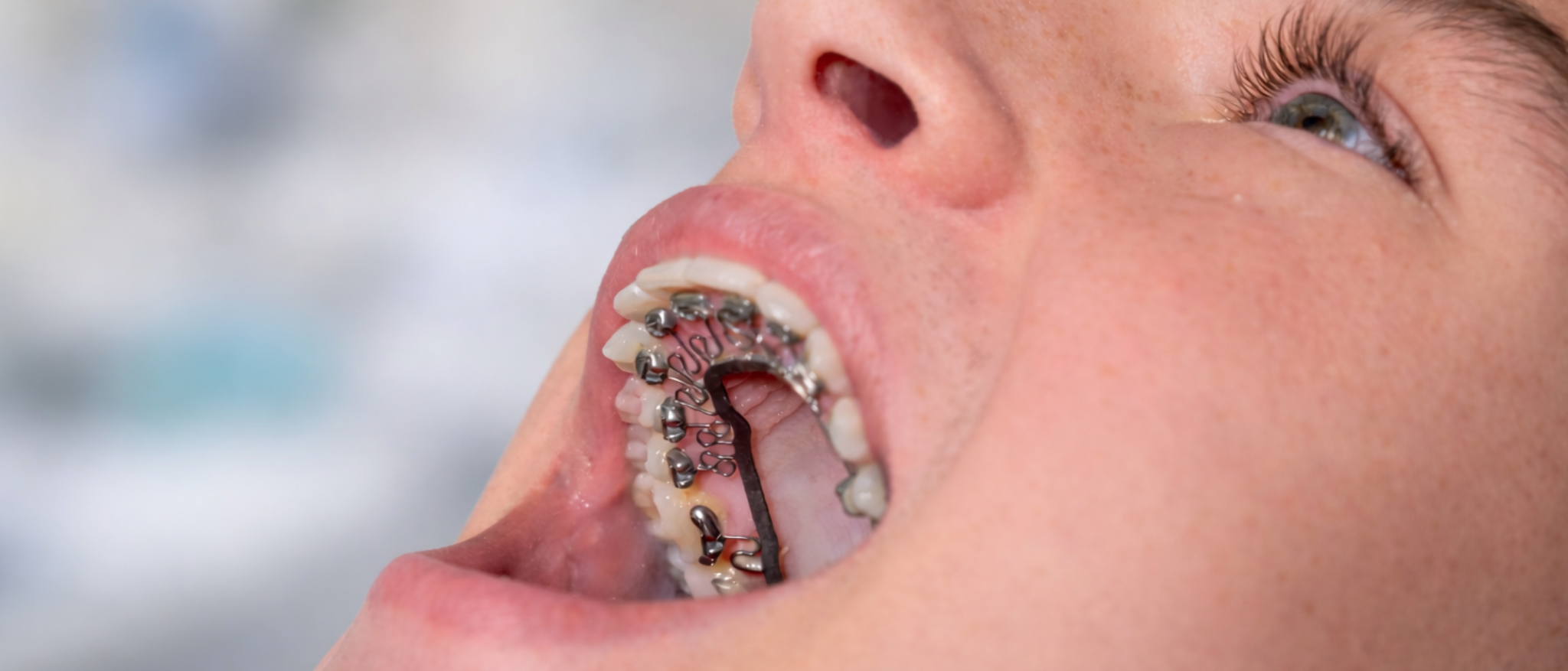
- Lingual Braces: Hidden behind teeth for complete discretion, though they may initially affect speech and comfort.
- Damon Braces: Self-ligating, reducing friction and appointments, offering faster and gentler treatment.
Insights: The average cost of braces or clear aligners can range from $3,000 to $7,000.
Brava braces stand out for balancing effectiveness with a lifestyle-friendly, low-discomfort experience:
- Brava® Plus System (Feb 2024): Leverages Independent Movers® technology to discreetly straighten teeth from the back (lingual), where they remain hidden.
- Self-Engaging Brackets: Simplify insertion and engagement, ensuring continuous, precise movement.
- Spring-Lock Feature: Prevents disengagement and maintains uninterrupted tooth movement.
- Independent Movers®: Move teeth gently and simultaneously in all six degrees of freedom, following the doctor’s treatment plan.
- Patient Comfort Enhancements:
- Smooth, rounded brackets for a better overall experience
- Soft-coated anchorage base to protect the tongue
- Resin-coated surfaces for gentle tongue contact
- Beveled edges for quicker adjustment periods
- NiTi Arms: Made from lightweight, U.S.-made shape memory alloy; each tooth follows an independent path to its final position.
- Efficient Treatment: Fewer visits, less need for monthly adjustments, and treatment can often finish in as little as six months.
- Discreet and Compliance-Free: Hidden from view, no daily aligner wear needed, and easy to floss during treatment.
Among all options, Brava braces offer a high-quality orthodontic experience that respects teen comfort and busy family schedules.
Treatment Duration and Appointments
- Most teenagers wear braces for 18–24 months, though simpler cases may finish in 6–12 months.
- Traditional braces usually require appointments every 4–6 weeks, while Brava braces need just 4–6 visits on average.
- By reducing both the number of visits and treatment duration, Brava braces offer a time-conscious solution for busy families.
Managing Pain and Discomfort
Parents often worry about the pain associated with braces. While some soreness is typical after adjustments, discomfort can be managed:
- Over-the-Counter Pain Relievers: Like ibuprofen
- Orthodontic Wax: To cover irritating brackets or wires
- Cold Therapy: Ice packs, cold water, or chilled foods
Brava braces excel here with gentle, precise tooth movement that reduces pain intensity, creating a “comfort over pain” experience for both parents and teens.
Eating and Oral Care with Braces
Braces require some dietary adjustments:
- Soft Foods: Yogurt, soups, mashed potatoes
- Avoid Hard or Sticky Items: Nuts, popcorn, caramel, gum
- Aligners: Should be removed before eating
- Brava braces: Hidden behind teeth, allowing easier brushing and flossing than traditional metal options
- Oral Hygiene: Brush after every meal, floss daily, use fluoride rinses
- Water Flosser: Particularly helpful for cleaning around brackets
Emotional and Social Considerations
Appearance and peer perception matter for teens:
- Nearly 75% of adolescents will require braces
- Feeling self-conscious is normal at first
- Encouraging teens to personalize braces or celebrate milestones can improve the experience
- Over time, proper treatment boosts self-esteem as teeth align
Parents play a key role in:
- Guiding teens through emotional challenges
- Normalizing the experience
- Emphasizing progress over temporary discomfort
- Fostering confidence and responsibility in oral hygiene
Benefits of Choosing Brava Braces

- Discreet and Hidden: Fitted behind teeth for aesthetic appeal
- Efficient: Fewer visits and shorter treatment duration
- Comfort-Focused: Gentle tooth movement reduces pain
- Lifestyle-Friendly: Easier oral hygiene, minimal disruption
- Effective for Complex Cases: Treats moderate to severe alignment issues
Brava braces combine these advantages, offering a high-quality orthodontic experience that respects teen comfort and family time.
Preparing for a Smooth Journey
Parents should:
- Guide teens through routine care
- Monitor diet
- Schedule regular orthodontic visits
Understanding the treatment process—from consultation to periodic adjustments—helps manage expectations and ensures the best results. With Brava braces, fewer appointments, predictable timelines, and comfort-focused design make the orthodontic journey manageable and stress-free.
Braces for teenagers are more than a dental procedure—they’re an investment in a confident, healthy smile. Choosing Brava braces prioritizes comfort, minimizes disruption, and delivers reliable results. The temporary effort and adjustments lead to lifelong benefits, helping teens embrace both the journey and the radiant smile that awaits.
Frequently Asked Questions
What Age is Best for Teenagers to Get Braces?
Most orthodontists recommend braces between ages 10 and 14 — when permanent teeth have erupted and jaw growth is still active — to help achieve faster, more efficient results.
How Long Do Teenagers Typically Wear Braces?
Treatment usually lasts 18–24 months, but simpler cases or systems like Brava braces often finish in 6–12 months with fewer visits.
Do Braces Hurt For Teens?
Some soreness is normal after adjustments, but modern systems like Brava braces’ Independent Movers® technology significantly reduce discomfort compared to traditional braces.
What Types Of Braces Are Available For Teenagers?
Options include metal, ceramic, and clear aligners (like Invisalign), lingual, Damon, and Brava braces with advanced lingual technology.
Can Teens Play Sports With Braces?
Yes, teens can play most sports. Using a mouth guard is recommended, especially for contact sports, to protect both teeth and braces.
How Do Braces Affect Eating Habits For Teens?
Teens should avoid hard, sticky, or crunchy foods (e.g., nuts, caramel, ice) initially. Softer foods like yogurt, soups, and pasta are easier to eat, especially early in treatment.
What Oral Care Routine Should Teens Follow With Braces?
Brush after meals, floss daily (using floss threaders or a water flosser), and rinse with fluoride to help protect enamel and prevent plaque buildup around brackets.
How Often Do Teens Need To See The Orthodontist?
Traditional braces require check‑ups every 4–6 weeks, while efficient systems like Brava braces usually need only 1 visit every 6 months.
Will Braces Improve My Teen’s Confidence?
Yes! Proper orthodontic care improves bite, alignment, and smile aesthetics, boosting self‑esteem. Discreet options like Brava braces help teens feel confident throughout treatment.