

Braces can spark one big question in anyone’s mind: “Will it hurt?” Whether it’s the thought of soreness after adjustments or the daily awareness of new appliances in your mouth, discomfort is a common concern. Traditional braces or aligners often require multiple adjustments, weekly wear commitments, and can leave patients with lingering pain. But what if there were a solution that worked behind the teeth, continuously and gently, minimizing discomfort while delivering faster, more reliable results?
That’s where Brava braces come in—a smarter approach to straightening teeth without compromising comfort.
Why Braces Can Be Uncomfortable
The Science of Tooth Movement
Orthodontic pain is a natural response to moving teeth through the jawbone. When braces apply pressure, the periodontal ligament (PDL)— the tissue anchoring teeth to the jaw—experiences compression, triggering both immediate and delayed effects:
- Immediate response: Soreness can appear within hours as the PDL compresses and blood flow temporarily reduces.
- Delayed response: The body releases prostaglandins and other inflammatory mediators, increasing sensitivity. Bone remodeling and ongoing PDL adjustments over days to weeks can prolong mild discomfort.
Discomfort is nearly universal during fixed appliance treatment: 87–95% of patients report soreness, particularly in the first few days of orthodontic force application. One study has found that among the majority of patients:
- 23% experienced mild pain
- 69% reported moderate pain
- 8% experienced severe pain
Most patients report generalized dentogingival soreness, affecting teeth, gums, and sometimes cheeks or tongue. Mild bleeding or irritation after bracket placement is common.
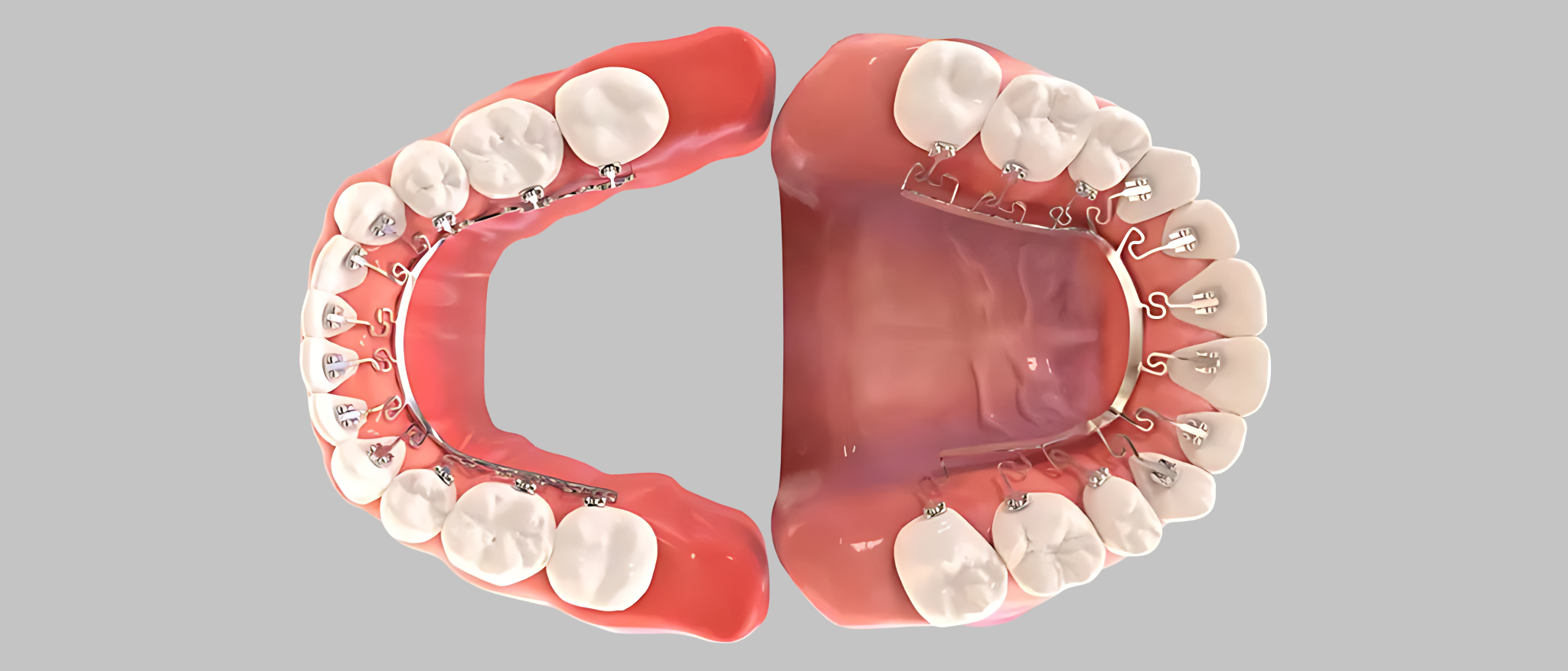
How Brava braces address this: Brava’s Independent Movers® technology and shape-memory materials gently and continuously move teeth, reducing the sharp pressure changes that cause intense soreness. Fewer adjustment visits and the behind-the-teeth design mean patients experience less discomfort overall, with only mild adaptation in the first 1–2 weeks. Brava minimizes the intensity and duration of typical orthodontic pain, making the journey to a straight smile smoother and more comfortable.
Traditional Braces vs. Aligners
Traditional braces require monthly adjustments, creating sudden force changes on teeth. Staged aligners work in weekly increments, but each stage relies on precise wear, and discomfort can accumulate. Studies show patients report moderate to high pain levels during these adjustments, highlighting the challenge of managing consistent comfort.
Stages of Orthodontic Discomfort
- Separator Placement: Pressure or soreness peaks a day after placement and fades over a week.
- Archwire Placement and Adjustment: Discomfort peaks in the first 24 hours; heat-activated wires are often gentler.
- Skeletal Anchors and Orthopedic Forces: Mild to moderate soreness at the insertion site, subsiding within a few days.
- Debonding: Brief discomfort possible; ceramic brackets may cause slightly greater sensitivity than metal brackets.
How Brava Braces Minimize Pain and Discomfort
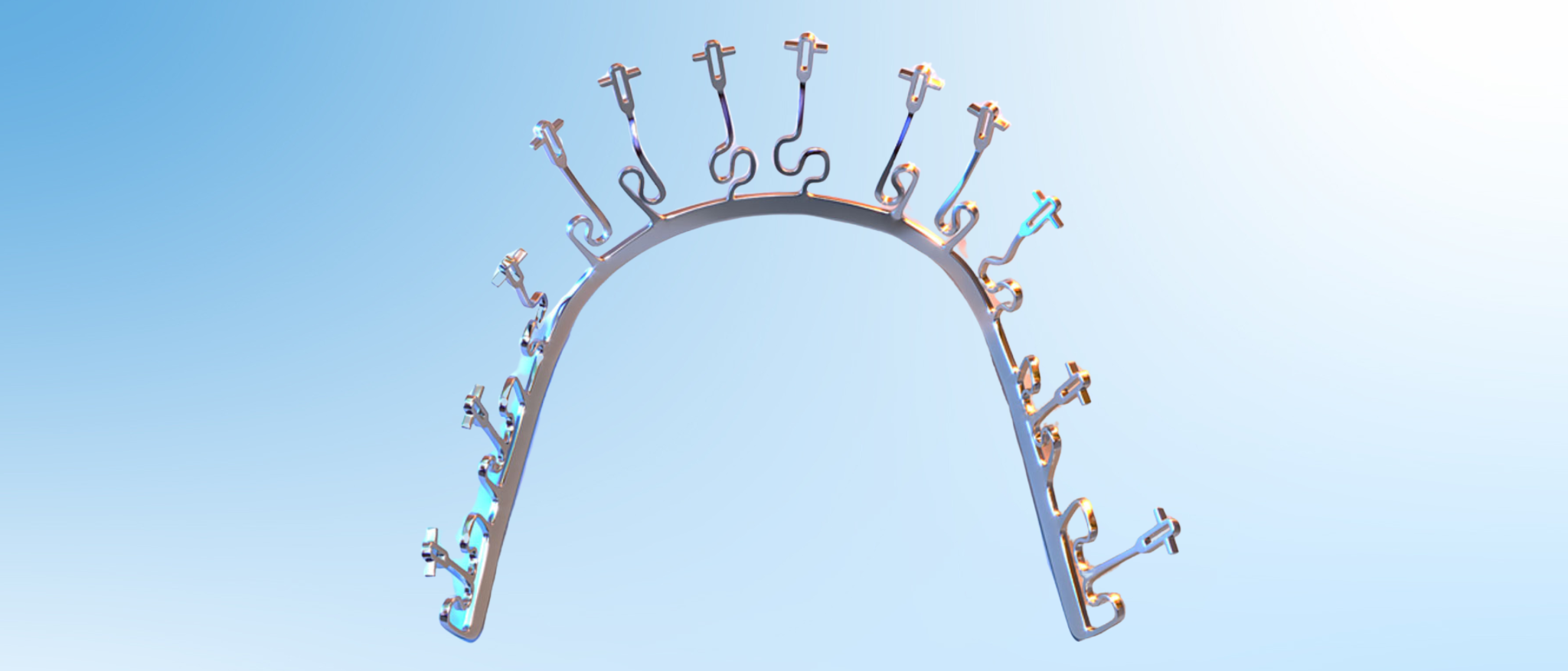
Independent Movers® Technology
Brava’s proprietary Independent Movers® technology moves teeth gently and continuously, programmed from a personalized digital smile scan. Fewer adjustment visits mean less sudden force changes, dramatically reducing the intensity of discomfort.
Shape-Memory Materials
Brava braces are made from pre-programmed shape-memory materials that follow your smile design precisely. This reduces abrupt tension on your teeth and ensures continuous, predictable movement without painful monthly tightenings.
Real-World Adjustment Experience
Most patients experience mild soreness or tongue adaptation during the first 1–2 weeks. Unlike traditional braces, there are no painful wire tightenings, making the adjustment smoother and more manageable.
Insights: A clinical study found that patients with lingual (hidden) braces reported lower pain levels and less impact on oral quality of life than those with traditional or low‑friction braces. Pain peaked 24–48 hours after placement, but lingual brace patients consistently scored lower on validated pain scales.
What to Expect During Brava Treatment
- Spacing: 6 months
- Crowding: 10 months
- Open Bite: 10 months
- Crossbite: 9 months
Eating, Speaking, and Cleaning
- Begin with soft foods, such as pasta and smoothies, for the first few hours after Brava insertion.
- Transition back to a normal diet gradually—cut carrots, apples, or meat into small pieces; avoid sticky foods initially.
- Brushing, flossing, and water flossers are fully compatible. Mouthwash is safe to use around Brava.
Impact on Daily Life
- Sports: Use a mouthguard for extra protection.
- Musical instruments: No major interference; practice helps with wind instruments.
- Lifestyle: Brava works behind the teeth, allowing you to maintain your routines comfortably.
Pain Management Tips for Orthodontic Patients
- Over-the-counter pain relievers can help during initial soreness.
- Warm saltwater rinses soothe the gums and ligaments.
- Maintain proper oral hygiene to prevent additional irritation.
Insights: A clinical analysis found that, after the first few days of treatment, a higher percentage of patients with lingual braces reported being pain‑free compared with other orthodontic groups by day 5, suggesting that discomfort from hidden braces subsides more quickly.
Final Thoughts
Braces may cause temporary discomfort, but Brava braces minimize the intensity and duration. Using gentle, continuous, behind-the-teeth technology, Brava ensures a more comfortable journey toward a healthy, aligned smile.
Frequently Asked Questions
Why Do Some Teeth Hurt More Than Others After Orthodontic Adjustments?
Teeth under higher pressure or with crowding often feel more discomfort due to targeted tooth movement.
Is Day 2 Or Day 3 The Worst For Braces Discomfort?
Pain usually peaks around day 2 or 3, then gradually decreases as teeth adapt.
What Is The Most Painful Part Of Traditional Braces Treatment?
Wire tightenings and major adjustments often cause sharp pressure, unlike Brava’s continuous, gentle movement.
How Do Brava braces Reduce Soreness Compared To Traditional Or Aligner Braces?
Brava’s behind-the-teeth design and shape-memory materials minimize sudden force changes, reducing pain intensity.
Will Braces Affect My Speech, And Does Brava Make It Easier?
Some initial lisp is normal, but Brava’s lingual placement typically allows quicker adaptation with minimal disruption.
How Often Will I Need To Visit The Orthodontist With Brava braces?
Fewer in-office visits are needed, thanks to Brava’s personalized, digitally programmed adjustments.
Can Braces Pain Impact My Daily Activities, And How Does Brava Minimize This?
Most activities continue normally; Brava reduces discomfort, making eating, speaking, and sports more comfortable.
What’s The Best Age To Get Braces For Optimal Comfort And Results?
Early adolescence is ideal, but Brava braces work comfortably for teens and adults alike.
Will My Teeth Move Even 20 Years After Braces, And Does Brava Help Maintain Long-Term Alignment?
Minor shifts can occur over decades; Brava’s precise alignment and retention plan help maintain lasting results.